
Event: AAAI-26: The 40th Annual AAAI Conference on Artificial Intelligence Venue: Singapore (Singapore EXPO). Date: 20–27 January 2026.

Event: IEEE Big Data 2025 Focus Area: LLM-Enhanced Scientific and Graph Intelligence Location: Macau Affiliation: Universiti Brunei Darussalam — School...
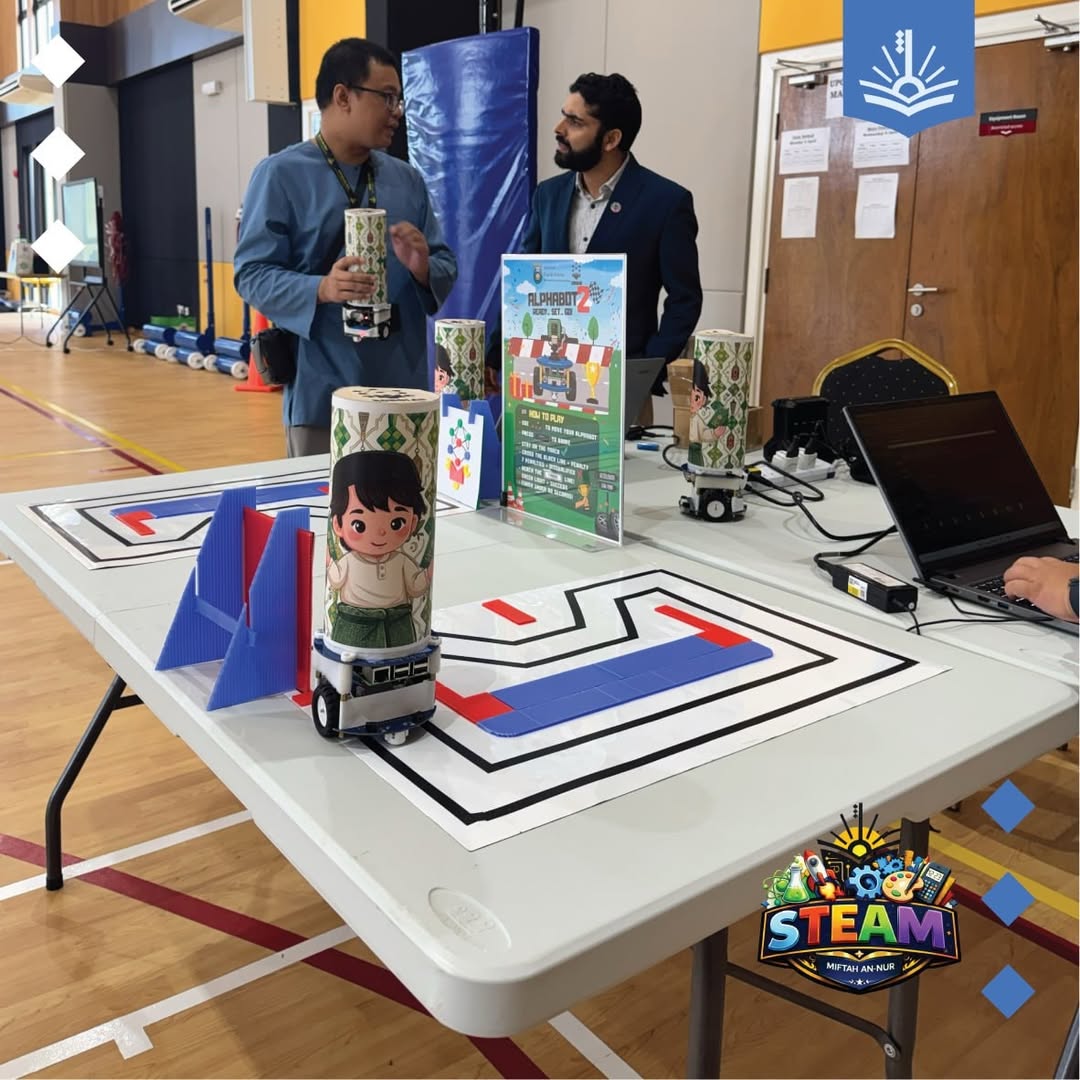
Event: Miftah An Nur School STEAM Week — Robotics Demonstration Session Theme: Interdisciplinary Learning Through Technology and Culture Venue: Miftah...

Vacancies are available for local and international candidates interested in pursuing a Master’s or PhD degree in our lab. Our...
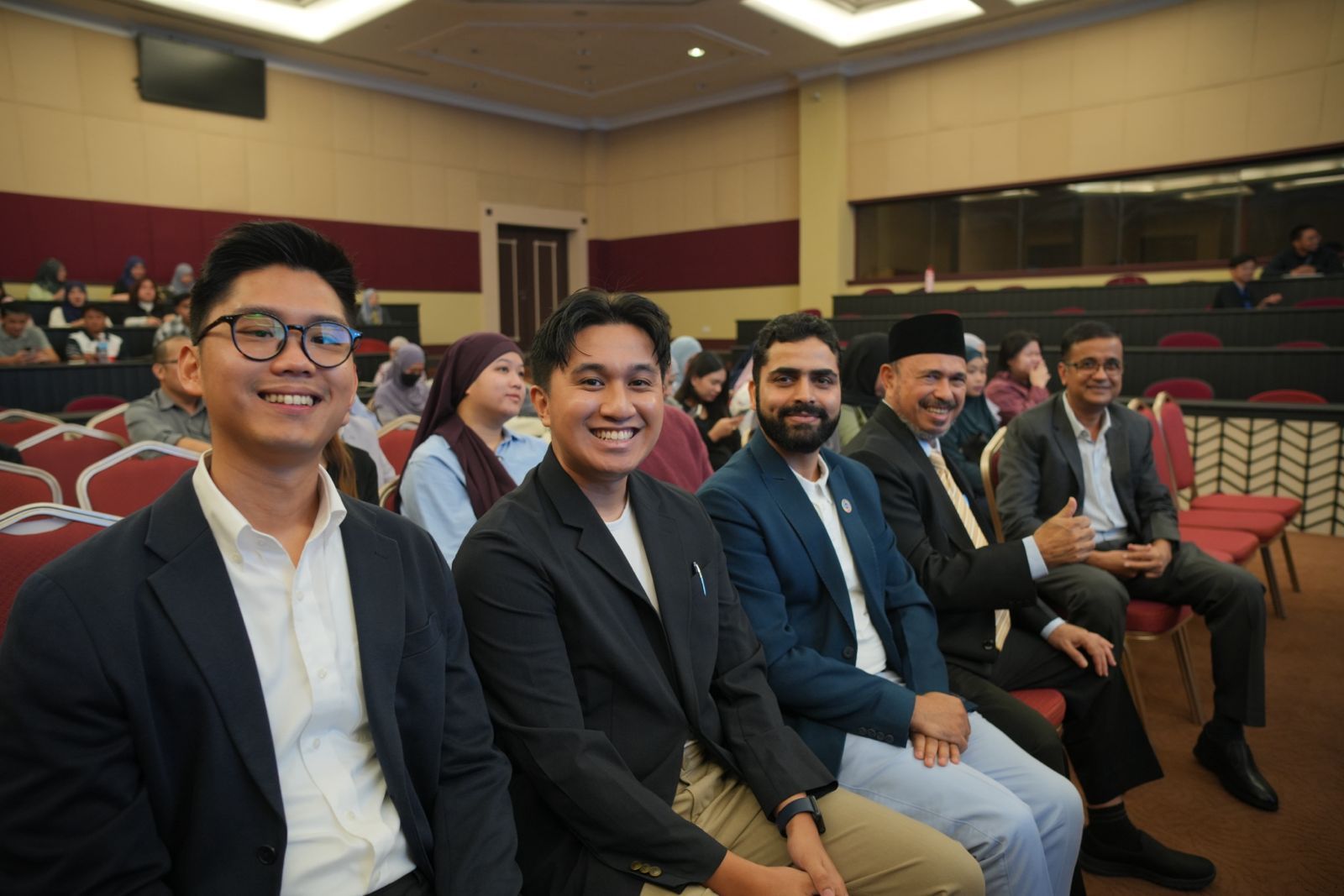
Event: Artificial Intelligence in Academia & Office: The Responsible Way Forward Role: Panelist Venue: Universiti Brunei Darussalam (UBD) Date: 01...

Context manipulations reveal that similarity in object properties can counterintuitively facilitate word learning. Using the WOLVES dynamic field model, we simulated CSWL under two conditions: 'NEAR' (objects metrically similar) and 'FAR' (objects distinct). WOLVES predicted superior learning in NEAR trials. An adult behavioral experiment confirmed this novel prediction, demonstrating that contextual similarity enhances cross‐situational word mapping.
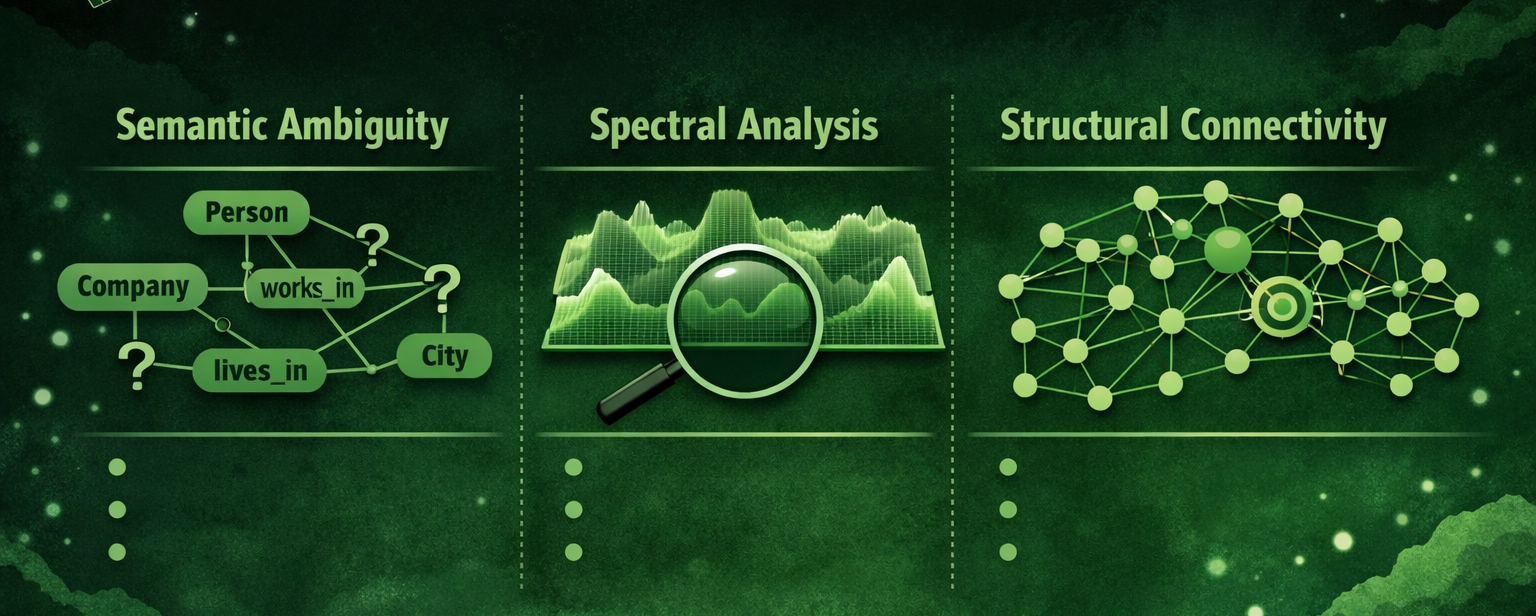
We extend the Cumulative Spectral Gradient (CSG) — a proposed dataset complexity metric — from images onto standard knowledge-graph link-prediction benchmarks and show that CSG is sensitive to parameter choices and does not reliably predict downstream ranking performance.

Current evaluation practices for knowledge graph completion models lack standardization and often fail to capture model capabilities comprehensively. We introduce KG-EDAS (Knowledge Graph Evaluation through Data-Aware Scoring), a meta-metric framework that provides more robust and interpretable evaluation of KGC models.

We propose MuCo-KGC, a multi-context-aware approach that leverages diverse contextual signals to improve link prediction performance. Our method achieves state-of-the-art results on several benchmarks while maintaining computational efficiency.

We introduce MuCoS (*Multi-Context-Aware Sampling*), a novel approach that efficiently discovers drug targets by sampling diverse contextual neighborhoods in biomedical KGs. Our method significantly improves target identification accuracy while reducing computational overhead.